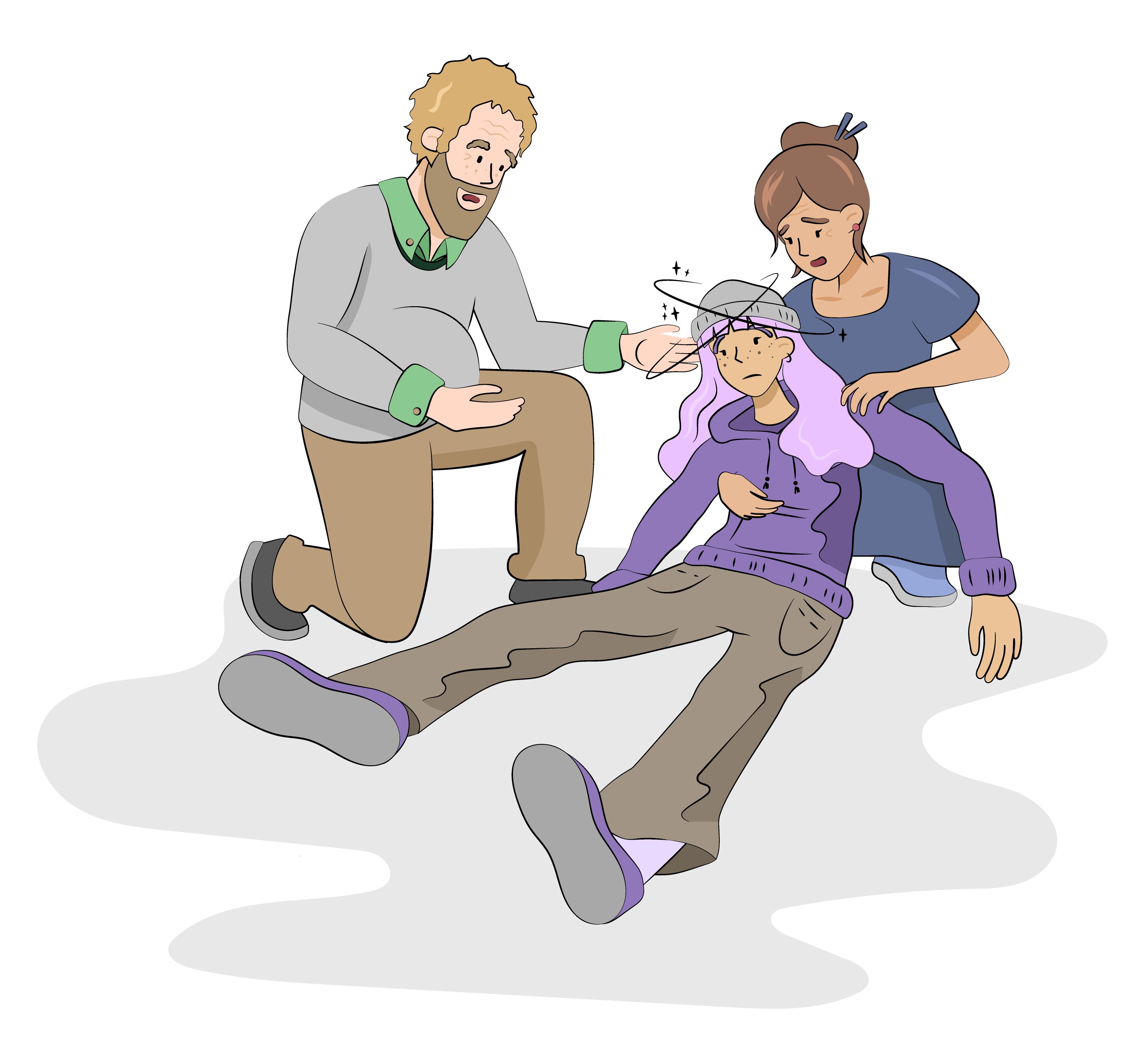

WHAT IS SYNCOPE?
Syncope (pronounced SINK-uh-pee) is the medical word for fainting, or passing out for a short period of time. This can happen for a few reasons, but usually it’s because the brain needs to get more blood and oxygen.
Syncope (pronounced SINK-uh-pee) is the medical word for fainting, or passing out for a short period of time. This can happen for a few reasons, but usually it’s because the brain needs to get more blood and oxygen.

Most of the time fainting is not an emergency, but it is important to be aware of the times when it can be.
...you do not wake up within 5 minutes or do not return to your normal self soon.
...you hit your head or falling down caused a serious injury (broken bone, large open wound).

...you faint during exercise or swimming. Fainting AFTER exercise is not an indicator of danger, but suddenly dropping while working out or playing sports can be.
...there is a history of heart issues or unexplained deaths or drownings (which can be caused by heart issues) in YOUNG people in your family.
...this is your first time fainting but you do not have any of the issues listed above.
...you have a pattern of fainting that has not changed. You do not have to see a doctor each time you faint.

It’s a common misconception that twitching or shaking during fainting means you’ve had a seizure or something more serious. Twitching can be a part of common fainting, so you can still stick to the guidelines above even if someone saw you twitch.
Most of the time fainting happens when your blood pressure and heart rate suddenly drop. Fainting is your body’s way of making sure blood flow is restored.
Imagine water going through a garden hose. It comes out steady enough and strong enough to water your garden. That’s how normal blood pressure works. The pressure helps blood get to your heart and brain and all your organs.
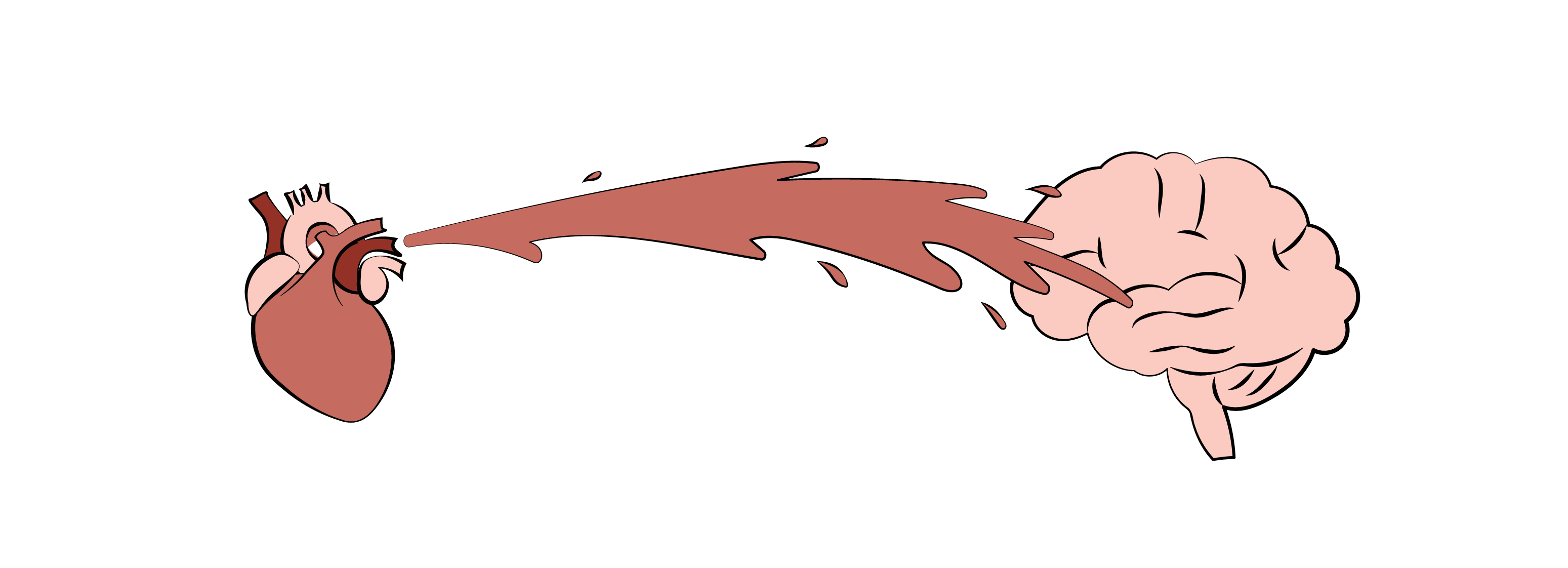

Regular blood pressure does naturally go up and down throughout the day, but it can sometimes be too high or too low. If the pressure is too strong and hard it will damage your flowers or even break a window. That’s high blood pressure, which can damage the heart or brain and lead to heart attacks and strokes.
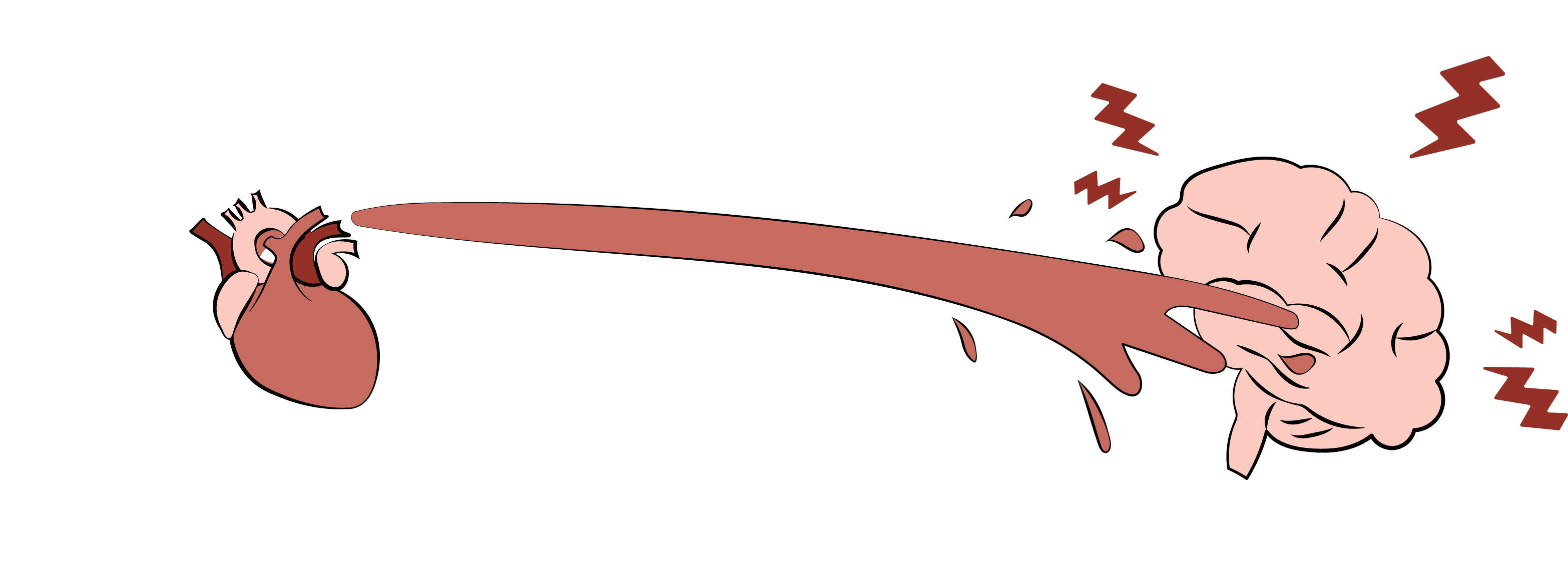

Low blood pressure is the opposite. There's not enough pressure for the water (blood) to get where it needs to go. Flowers start to get dry. In your body, that means the brain isn't getting blood fast enough. The brain needs blood to supply it with oxygen so that it can function. When the brain isn’t getting enough blood (and therefore not enough oxygen), it makes you faint and blood flow to the brain is restored now that you are lying down.
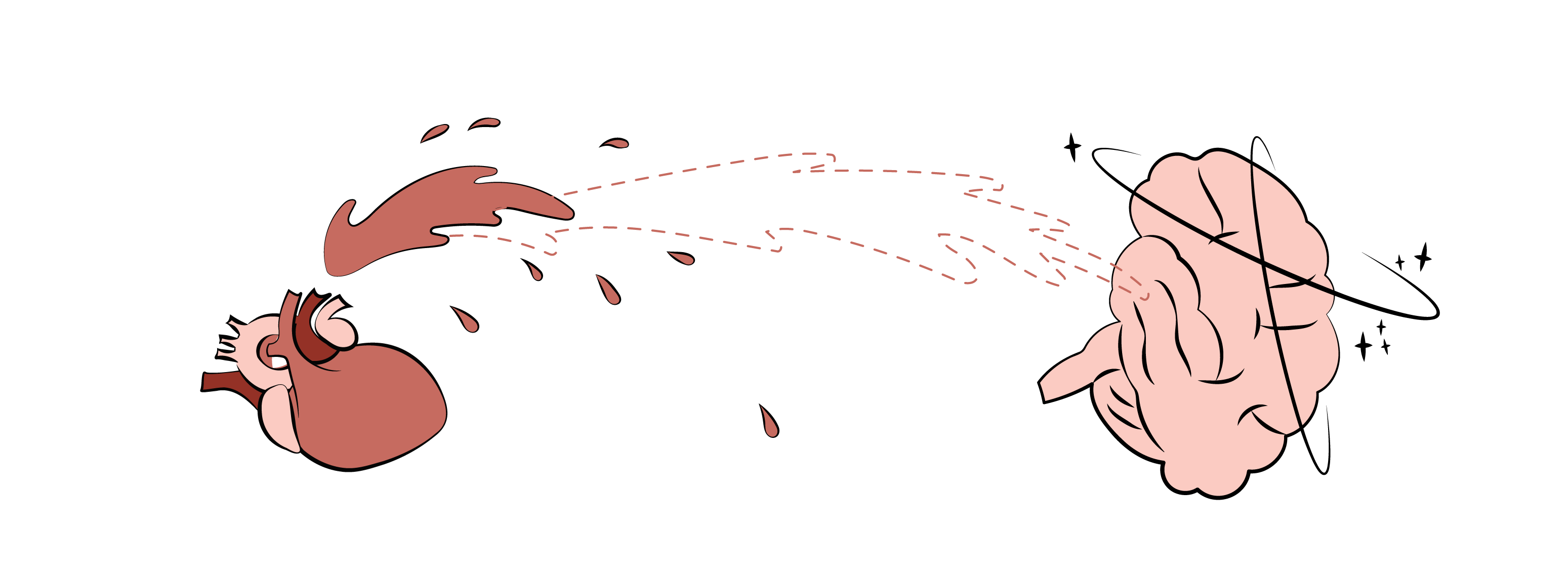
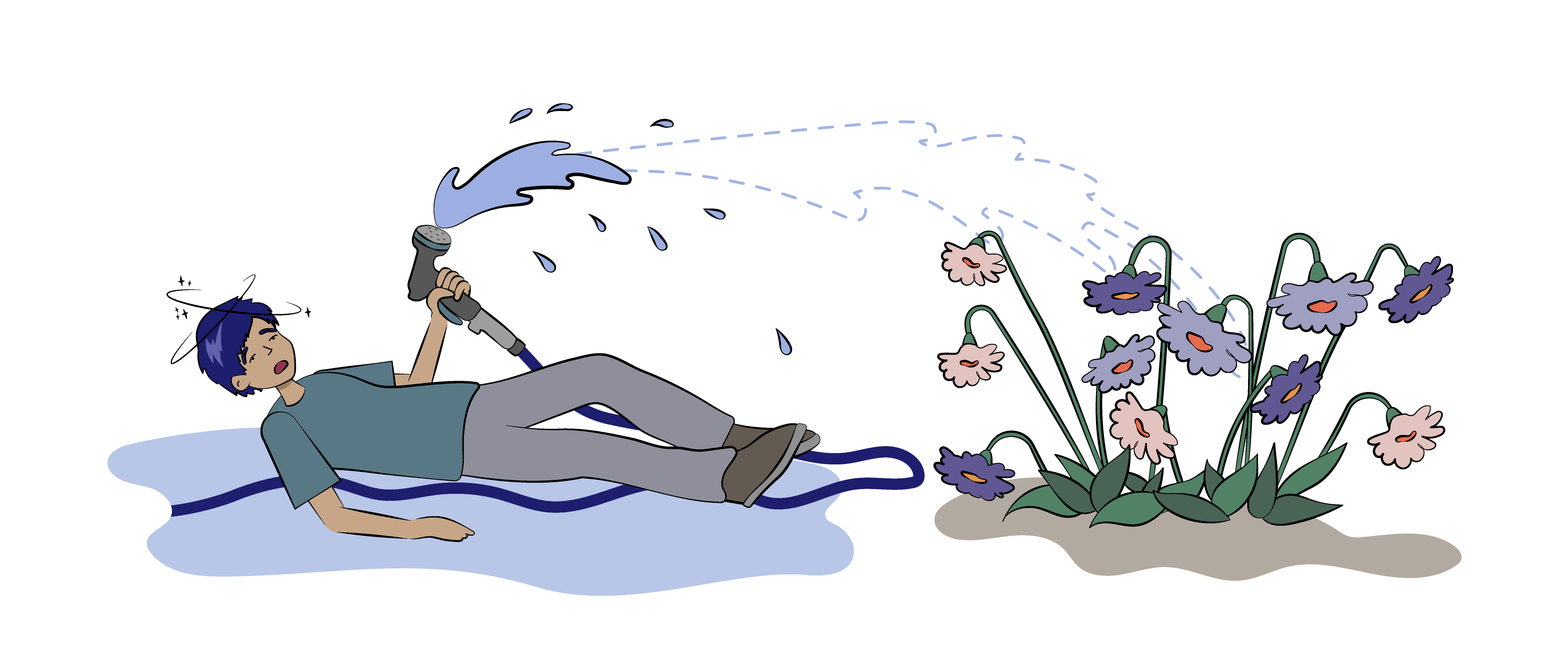
When you faint, your muscles relax and you fall down. This puts your body in a lying/horizontal position and your heart no longer has to pump as hard to get blood and oxygen up to your brain. Your brain makes you faint as an automatic way to protect you!
That can be a difficult question to answer, but rest assured that fainting in otherwise healthy teens is very common. It can be frustrating not to have a quick fix, but you are not alone and many teens are able to get their fainting under control by using the tips and tricks we are sharing here.
There are ways to adjust your daily habits so that you don’t feel faint as often. There are also tools to keep you from fainting when you feel like it is about to happen. Watch the video or read below to learn more.
All you need to do to prevent fainting is remember this phrase: NO FALL!

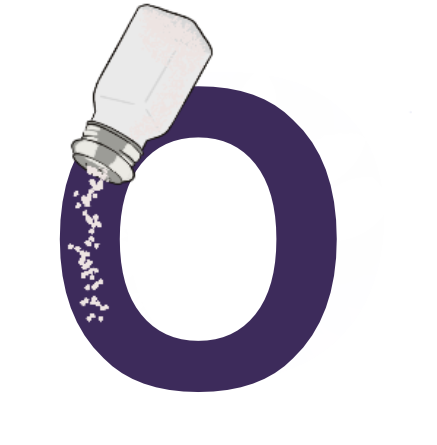


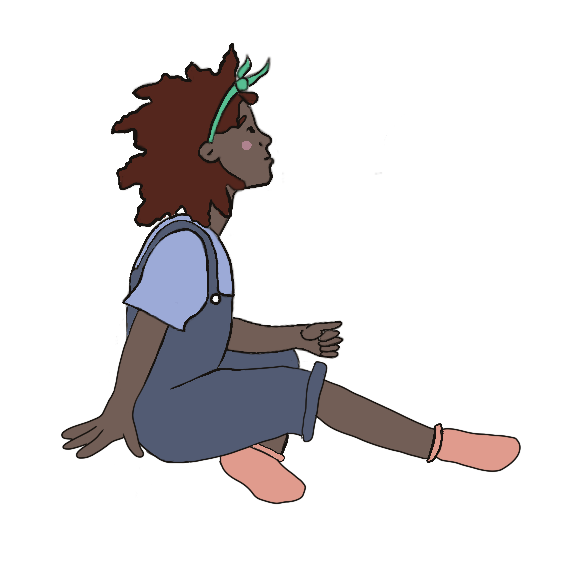
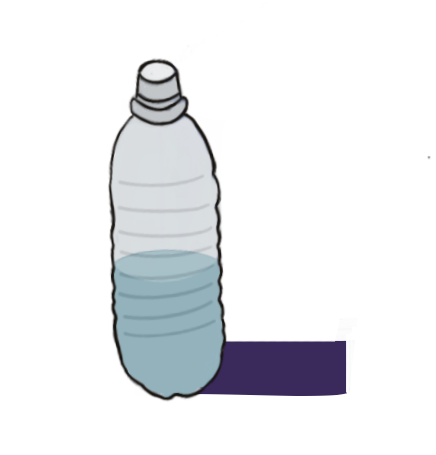
If you start to feel faint, there are several ways to get your body back to normal before it happens.
These are exercises that help blood flow back to your brain. Perform any one of these for 30 seconds or until you feel better. If you don’t feel better after 30 seconds, move on to a different maneuver:
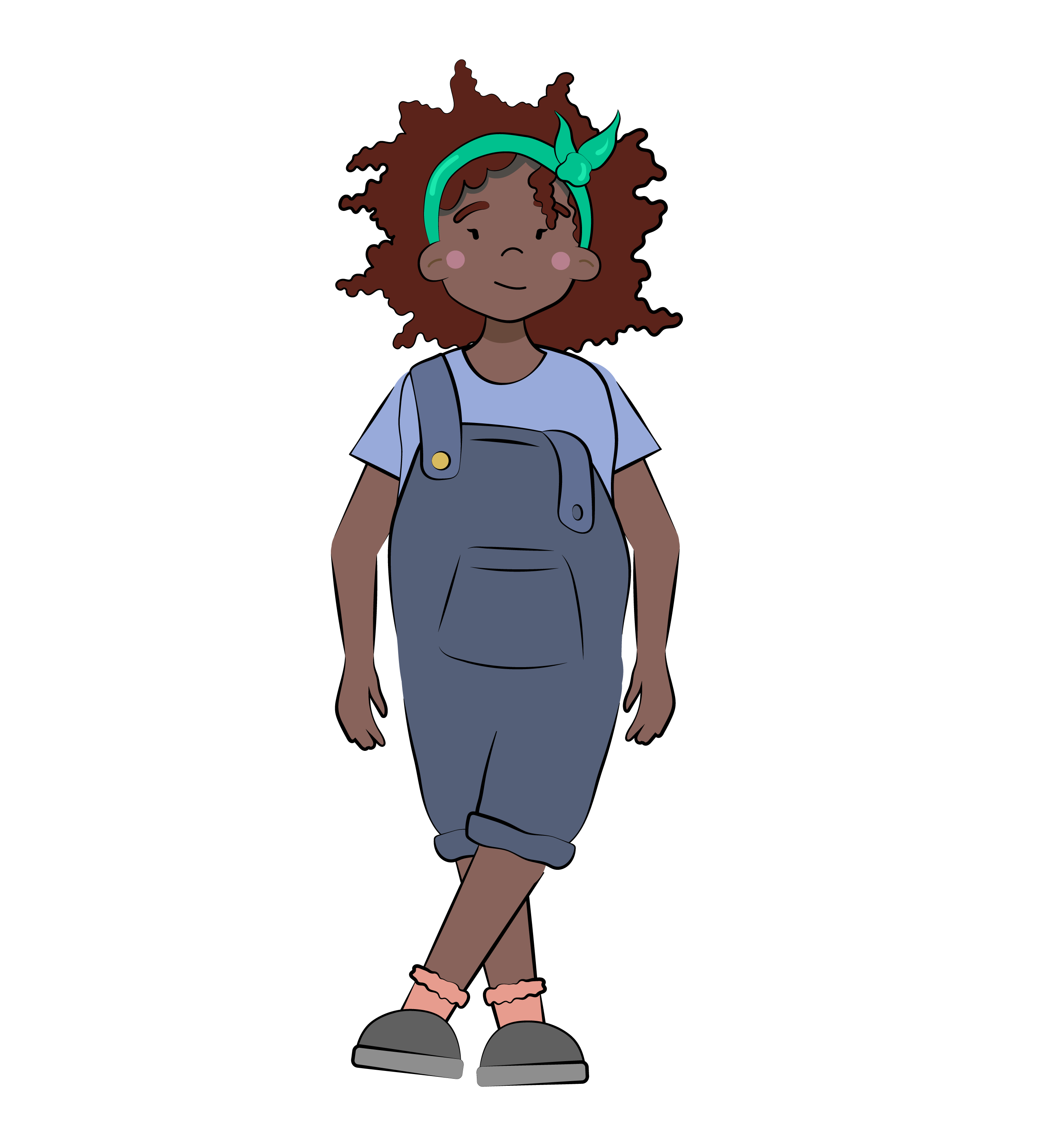
1 - LEG-SQUEEZING
While standing, cross one leg over the other one with both feet on the ground, and squeeze your legs together.
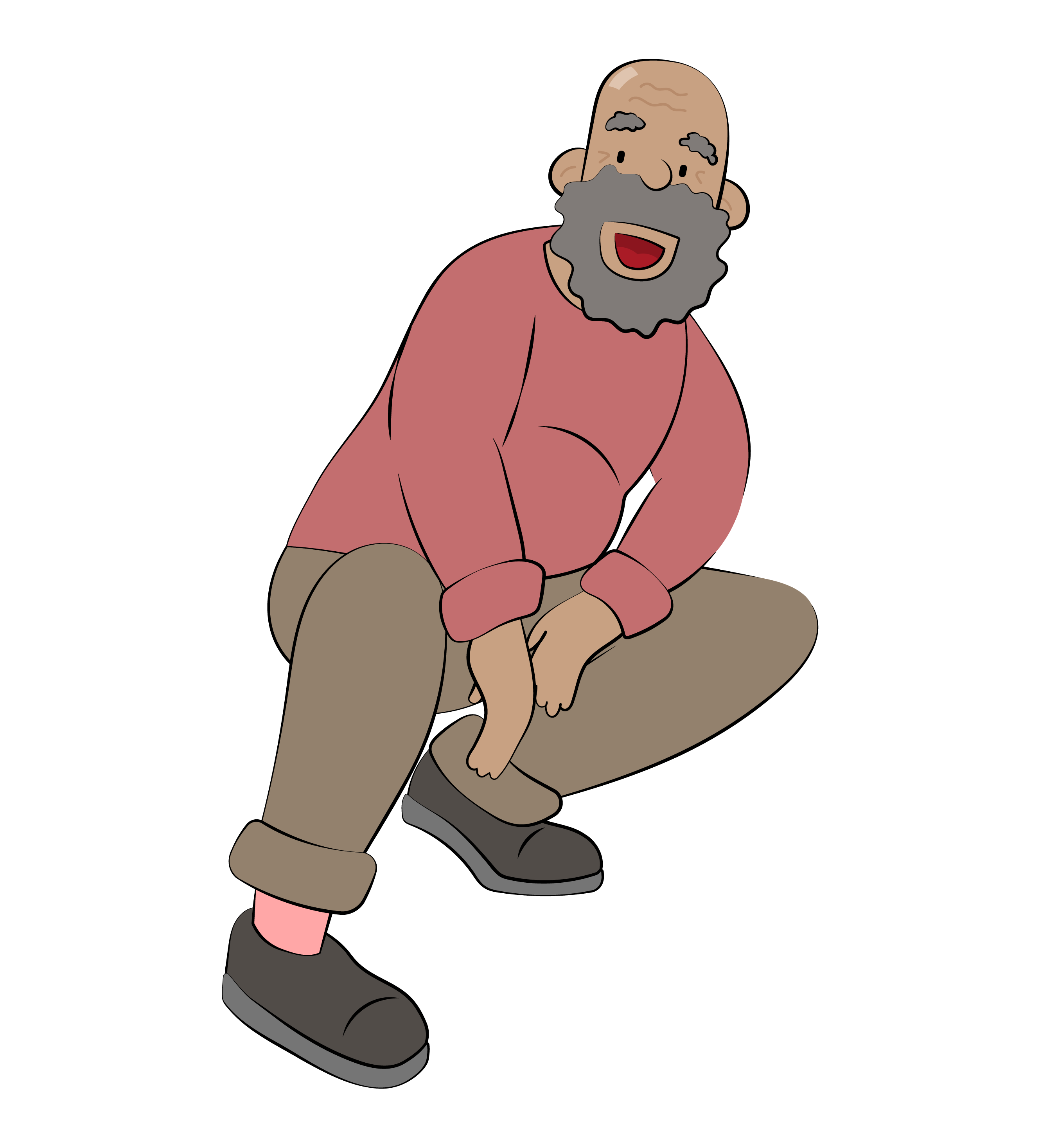
2 - SQUATTING
Squat down with one leg in front of the other. Make sure to stand up very slowly after this one or you might feel faint again.
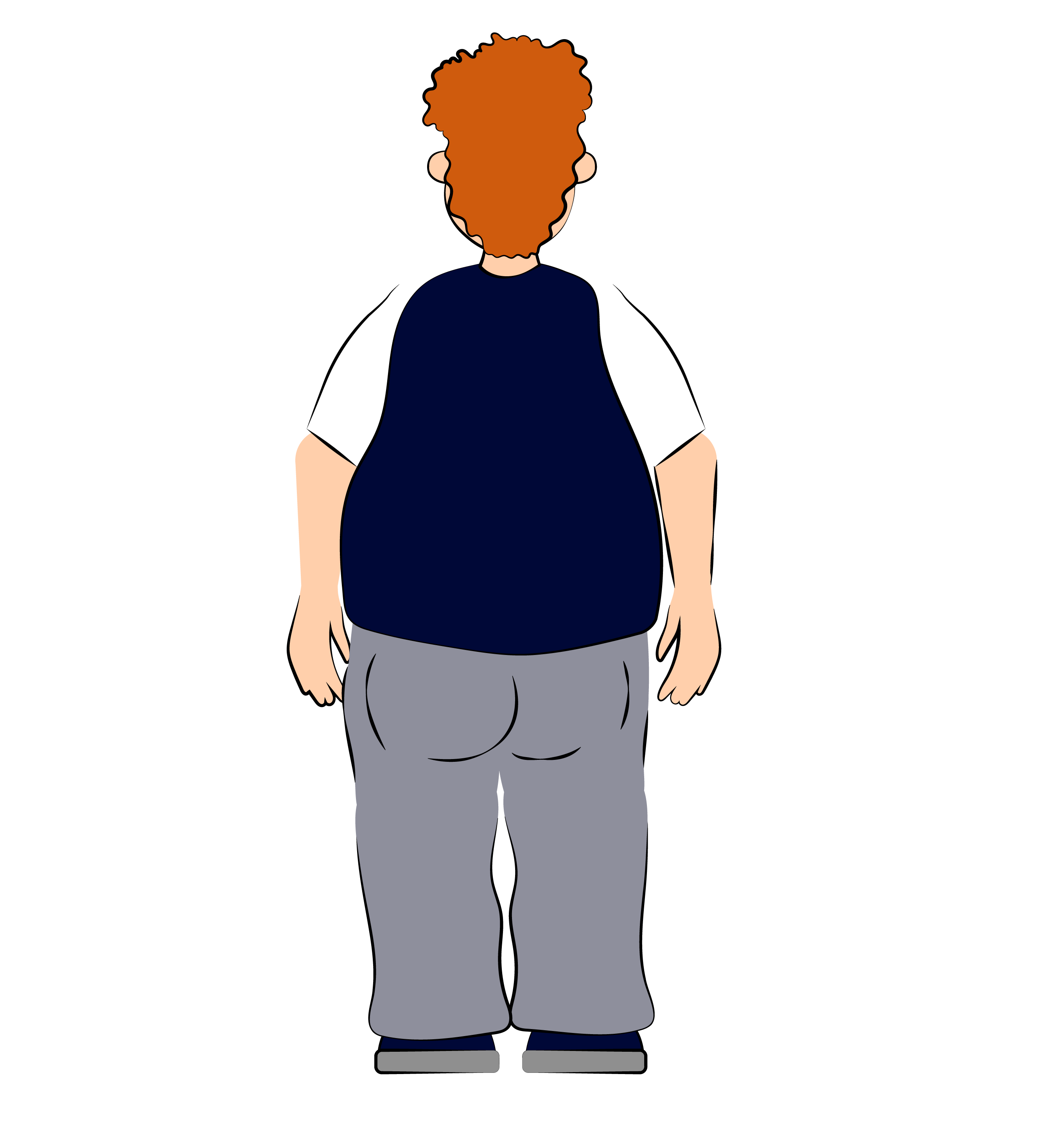
3 - BUTT-CLENCHING
Clench your butt muscles together.
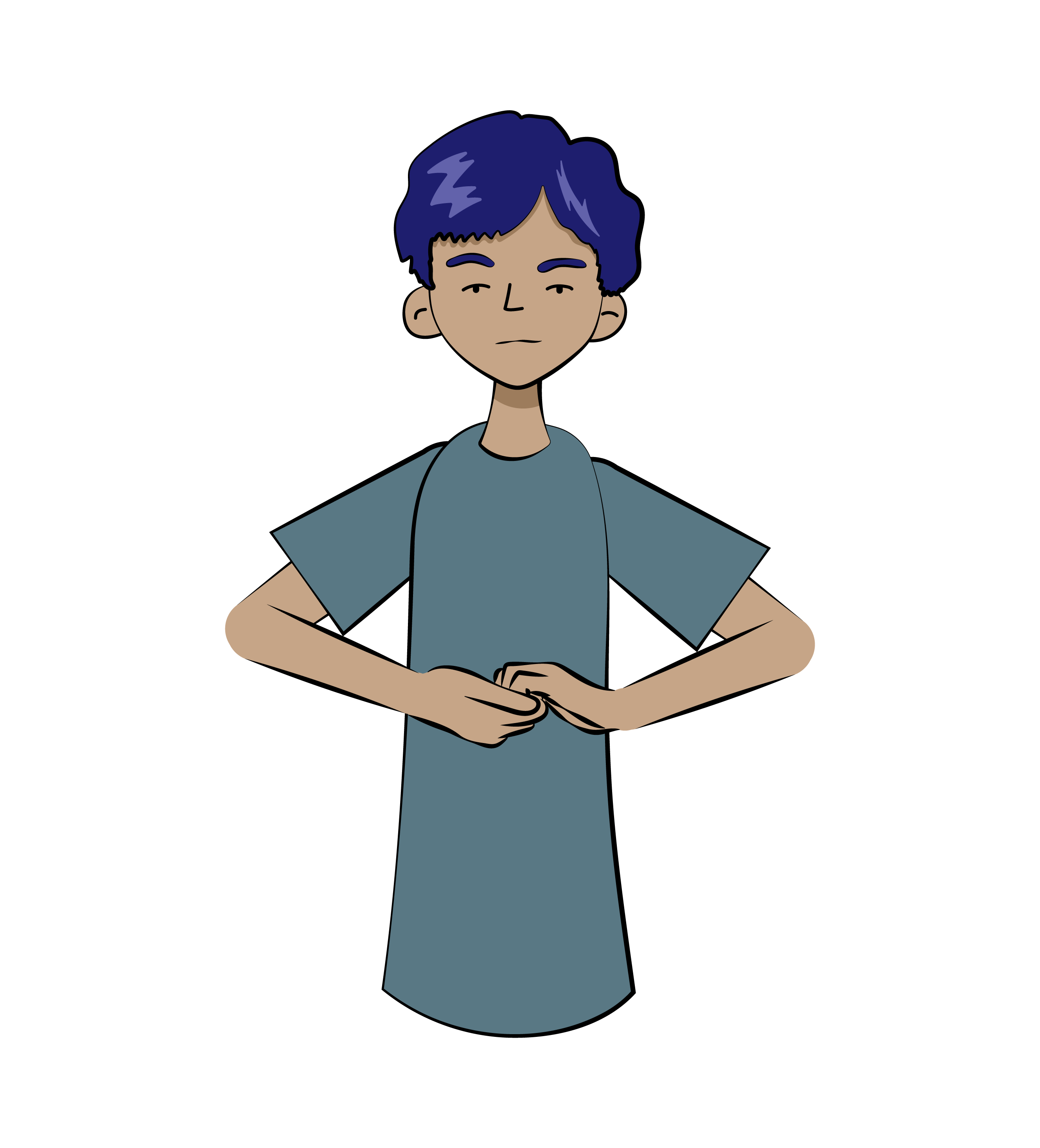
4 - ARM-TENSING
Clasp your hands in front of your chest and pull outward.
Everyone is different, but many kids and teens faint in the same situations. Here are some common fainting triggers and causes for you to be aware of.
Dehydration
(not drinking enough water)

Not eating enough salt
Standing for a long time

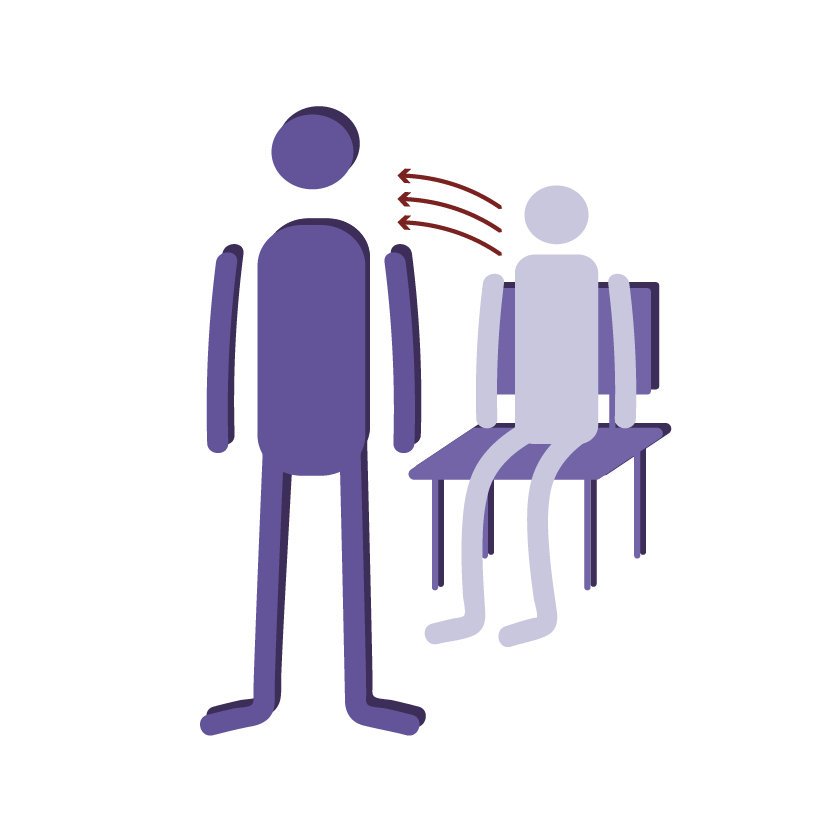
Standing up too fast
Having blood drawn
Seeing blood or injury
Being in pain
Having hair done / cut

Getting overheated
Low Iron
Hot Showers/Hot Tubs

Certain Medications
Hormonal Changes

Lack of activity / Weak muscles
Caffeine
Drugs or alcohol

Skipping Meals
Using the bathroom
If you do decide to see a doctor, (Click HERE to see if/when you need to) here are some tips and tricks to make your appointment easier.
Most fainting does not require extensive testing. The most important information your doctor needs comes from asking you questions.
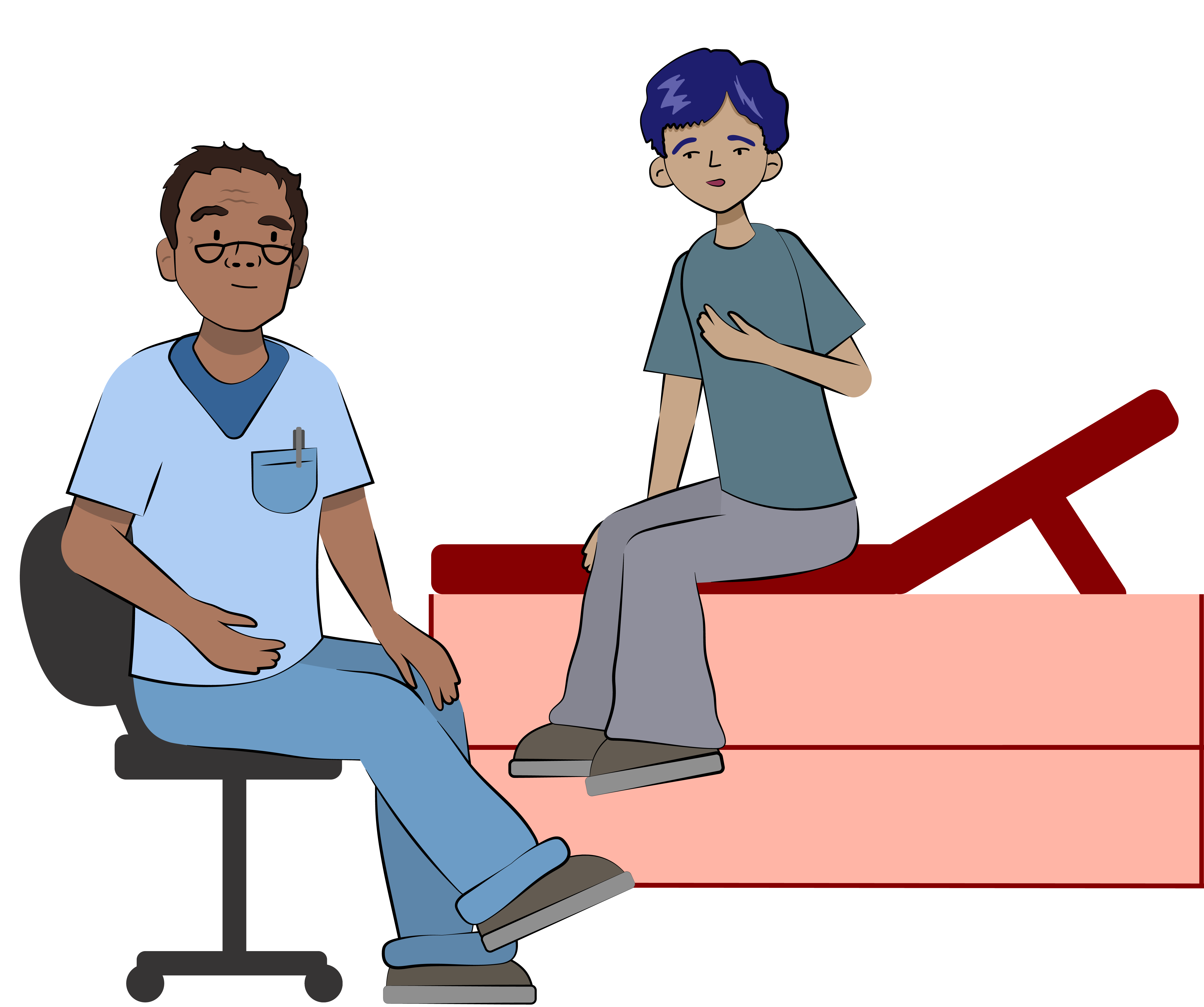
Every appointment is different, but here are some questions you should be prepared to answer. If possible you might want to ask someone who saw you faint what they remember as well.
This is a list of words you might see or hear as you’re learning more about syncope.