

Syncope (Fainting)

Syncope is common in children with a peak in adolescence. Up to 3% of pediatric emergency room visits are due to syncope. Greater than 95% of syncopal episodes in children are benign with the majority being due to vasovagal (also termed neurally-mediated, neurocardiogenic, or reflex-mediated) syncope. While identifying children with the potential for a cardiovascular cause is imperative, the majority of cases can be managed with reassurance and lifestyle changes in the setting of a typical history of vasovagal syncope, normal cardiac examination, and reassuring personal and family history.

Go to Family/Guardian Page
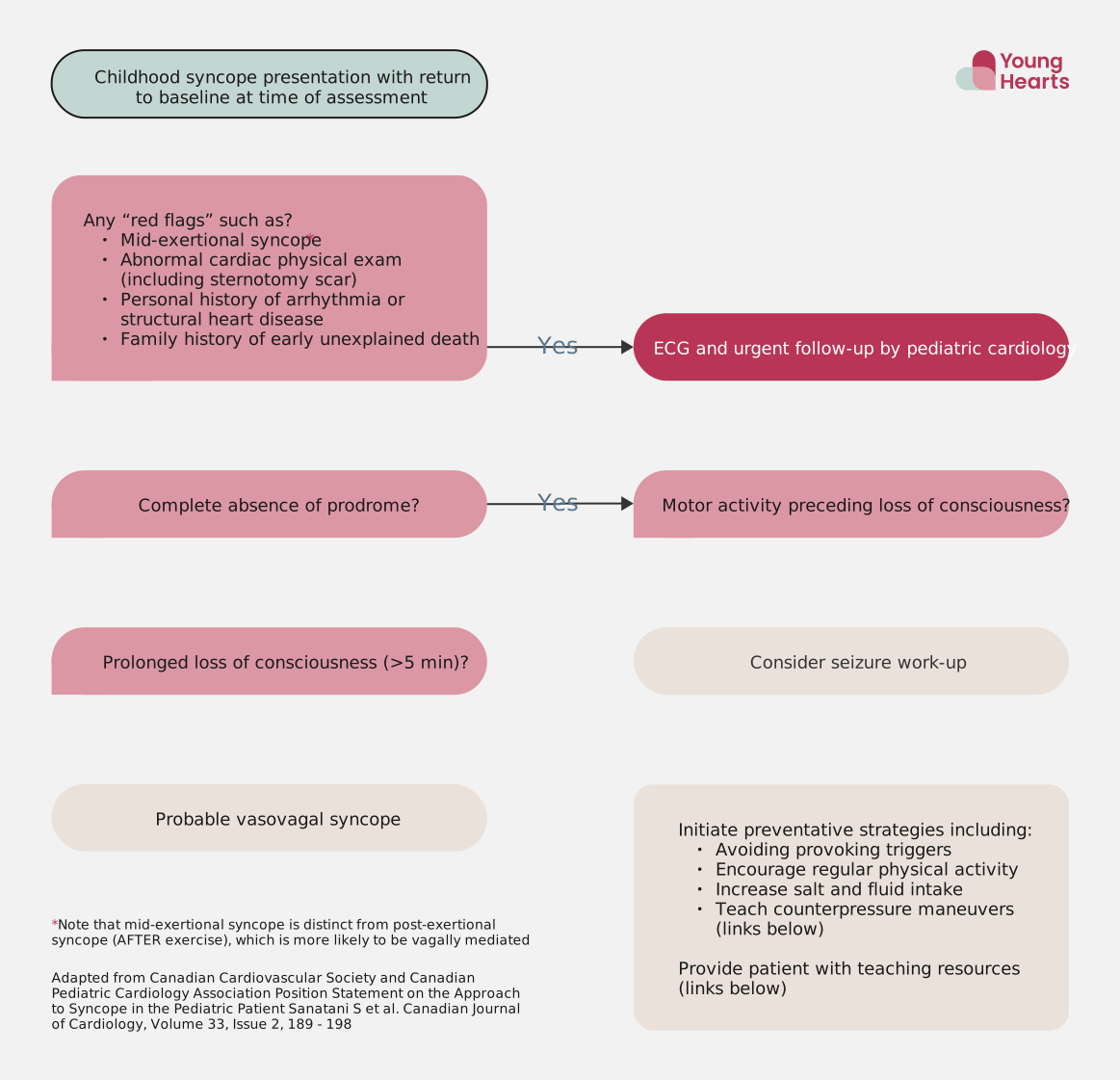

When should you refer to a Cardiologist?

  • The clinical history is one of the most important aspects of the assessment. A classic prodrome consisting of a warm or clammy sensation, nausea, light-headedness, or visual changes [seeing spots, tunneling of vision, etc] is strongly suggestive of vasovagal syncope. With complete absence of a prodrome, referral to cardiology is recommended
  • Syncope that is mid-exertional syncope (in the middle of exercise), during swimming, or triggered by a loud noise may be cardiac in origin and should trigger referral to cardiology
  • A personal history of arrhythmia or structural heart disease, abnormal cardiac examination, and family history of sudden unexplained death or arrhythmia are all indications for referral to cardiology
  • In the absence of the above indications and with a history compatible with vasovagal syncope, reassurance and patient education on lifestyle changes is a reasonable approach. Patient counselling should include trigger avoidance, increasing water and salt intake, counterpressure maneuvers, and encouragement to increase physical activity. Please see our education materials at the bottom of this page which can be provided to your pediatric patients and their families

Referral Algorithm

Educational Resources for Patients